
Actualités
Têtes chercheuses 2024
La 15e édition du concours est lancée : chercheurs, chercheuses, valorisez vos travaux de recherche !Lire la suite ❯
Faites le choix d’un master UNICAEN
Vous souhaitez continuer vos études en Master, pourquoi pas à Caen en Normandie ?Lire la suite ❯
Cartothèque de l’université : une collection exceptionnelle de 40 000 documents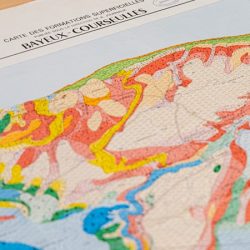
Ce fonds documentaire, datant du XIXe siècle à nos jours, dispose désormais de son propre espace de consultation. Lire la suite ❯
École d’été 2024 du module Jean Monnet
L’école d’été se déroulera sur 2 semaines, du 10 au 21 juin 2024, en présentiel à l’université de Caen Normandie.Lire la suite ❯
Cotentin : 3 nouvelles formations répondant aux défis de la transition énergétique
L'université entend contribuer activement à l'écosystème d'innovation de la région.Lire la suite ❯
"Rêves en exil" : Portraits d'une jeunesse exilée
Retrouvez l’exposition en plein air "Rêves en exil" du 25 mars au 25 mai sur le campus 1 (Caen).Lire la suite ❯
TURFU Festival 2024 : une 8e édition tournée vers le vivant
Le festival qui explore les futurs possibles et cultive l’esprit critique, revient du 8 au 13 avril 2024. Découvrez le programme !Lire la suite ❯
Plusieurs universités soutiennent l'initiative d’un réseau européen pour une coopération sectorielle sur les compétences nucléaires
Les universités suivantes sont convenues d'étudier les conditions de mise en place d'un tel réseau européen.Lire la suite ❯
INSPÉ Caen : quatre jours de regroupements en présentiel en Afrique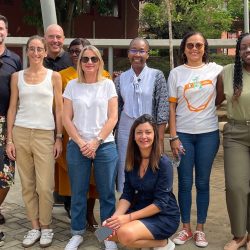
En janvier et février 2024, deux délégations de l'INSPÉ sont allées à la rencontre de la première promotion du Master MEEFLire la suite ❯